

 :
:
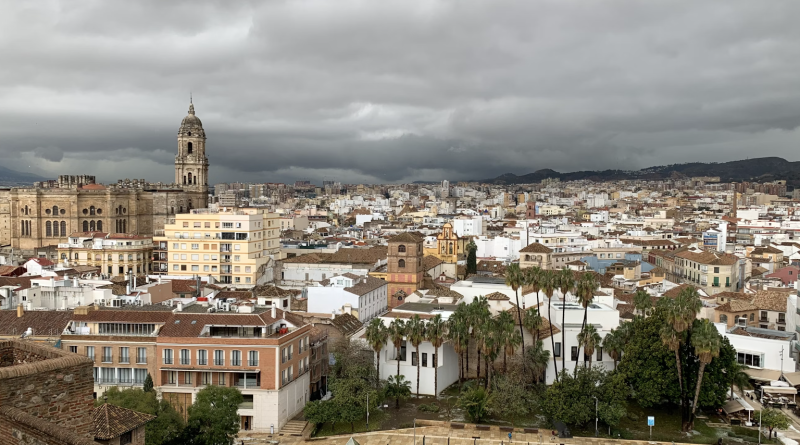
Spain: Malaga City Council has approved a three-year moratorium on new hotels, tourist apartment blocks and other tourist accommodation developments on residential land, marking the latest step in the city’s efforts to address housing pressures linked to tourism.
The measure, which is expected to come into force next week following publication in the Official Gazette, prevents new tourist accommodation developments on land designated for residential use. Commercial land will remain exempt from the restrictions.
The decision builds on the city’s existing three-year suspension of new tourist rental licences, introduced in August 2025, which halted registrations for new short-term rental properties in areas where tourist accommodation exceeded eight per cent of housing stock.
According to the city council, Malaga currently has around 9,600 tourist apartment beds alongside approximately 14,000 hotel beds, while licensed short-term rentals account for more than 64,000 beds across the city.
Projects that had already submitted planning applications before the moratorium was formally approved will be allowed to proceed, although city officials acknowledged that applications increased following the announcement of the proposed restrictions.
The reforms also tighten rules around converting commercial premises into residential properties. While conversions will still be permitted, they cannot be used for tourist accommodation and must meet new habitability requirements. Conversions will also be prohibited on principal streets and public squares.
Highlights
- Malaga has approved a three-year moratorium on new hotels and tourist apartment blocks on residential land.
- The measure builds on the city’s existing suspension of new short-term rental licences introduced in 2025.
- Existing planning applications submitted before the ban takes effect will still be eligible for approval.
- New rules will also prevent converted commercial premises from being used as tourist accommodation.
- The moratorium is part of the city’s wider efforts to ease housing pressures while managing tourism growth.