
 :
:
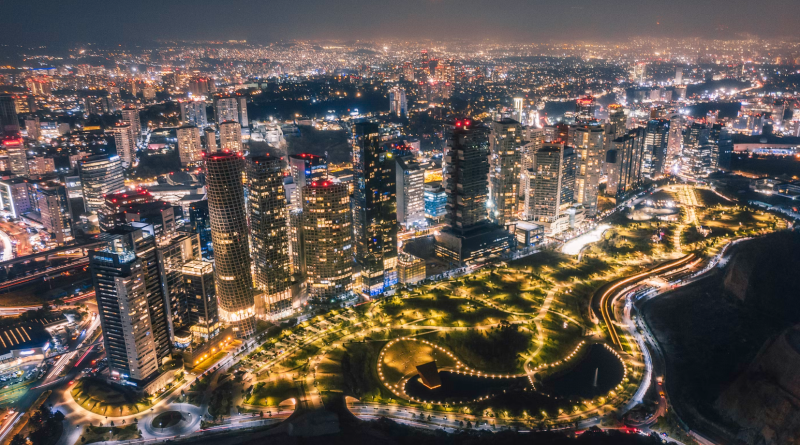
Mexico: Mexico City is set to introduce stricter restrictions on short-term rentals in order to balance the competition between the segment and traditional hotels.
The initiative was presented by Martí Batres Guadarrama, the substitute head of government in Mexico City, at a plenary session of the local congress and approved for the addition of a new paragraph in the Mexico City Tourism Law on Wednesday [2 October], according to a press release.
The reform will specifically ensure that landlords and property owners cannot rent out their accommodation units on a short-term basis through digital platforms for more than 50 per cent of the days in a year, thereby regulating the short-term rental market and “mitigating unfair competition with the traditional hotel sector”.
César Emilio Guijosa Hernández of the left-wing populist Morena party, representing the Joint Committees on Housing and Tourism, said that the accelerated growth of temporary digital tourism through platforms had altered the accommodation landscape in Mexico City and “generated a series of negative externalities, such as gentrification and rising housing prices”.
Hernández added that the regulation would “safeguard the interests of hotel establishments and avoid the saturation of accommodation intended exclusively for tourism”, while “contributing to a fairer and more sustainable competitive environment”.
Furthermore, the reforms will prohibit government-built social housing from being rented out to tourists via online platforms such as Airbnb.
Housing has emerged as an increasingly contentious topic in the Mexican capital, due to the influx of ‘digital nomads’ from other countries including the United States and the shortage of social housing, much of which was rebuilt after an 8.1-magnitude earthquake in September 2017.
A partnership between the local government in Mexico City, Airbnb and United Nations Educational, Scientific and Cultural Organization [UNESCO] in October 2022 to entice more remote workers to the city in the wake of the Covid-19 pandemic intensified the issue further. Claudia Sheinbaum, the then-Mayor of Mexico City, initially denied that there would be a correlation between rental prices and the presence of Airbnb, though it led to concerns from locals about rising inflation and a widening disparity between them and wealthier employees moving from abroad, and protests outside the Mexico City Ministry of Urban Development and Housing [Seduvi].
Sheinbaum later reversed her stance, and has since been vocal about her support for more stringent restrictions on short-term rentals in Mexico City.
Opponents of the legislation say that the reforms go too far and violate the individual freedom and rights of property owners.
In a statement, Mexican vacation rental association APAR [La Asociación de Administradores Profesionales de Renta Vacacional] said that it “lamented the accelerated approval of the initiative” and that the occupancy limit would “disincentivise investment in the real estate sector”.
The government is also prioritising creating more social housing for young people, women and priority groups.