
 :
:
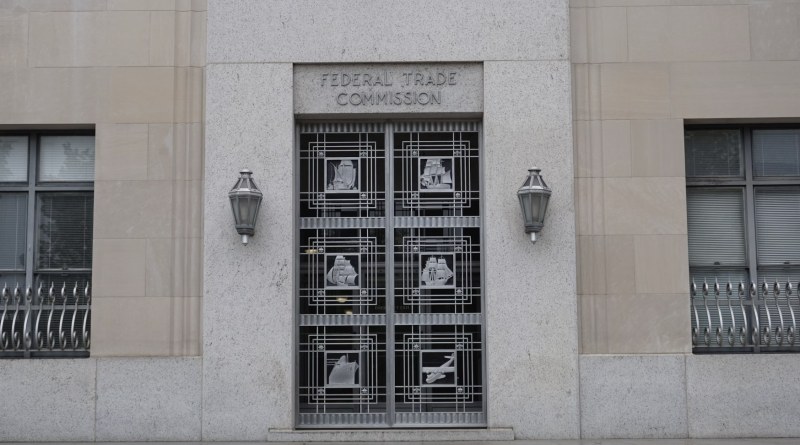
US: The US Federal Trade Commission [FTC] has passed a rule that will ban hidden “junk fees” on short-term rentals, hotels and live event ticket prices, meaning that sellers and booking platforms will be required by law in the United States to disclose total prices upfront, including fees.
In some cases, extra costs such as “convenience fees” and “resort fees” can be added to bookings at the last minute as consumers get set to check out online, but this will no longer be allowed. However, the new rule is narrower than what the FTC previously proposed last year, when it aimed to ban “hidden and deceptive” fees regardless of which industry it concerned.
Total prices will also need to be displayed more prominently on websites than other prices.
The measure is a hallmark of President Joe Biden’s manifesto as he pledged an extensive crackdown on junk fees that drive up costs for consumers without providing any tangible benefits. Despite those pledges, Biden’s efforts have been continuously thwarted thus far by businesses and corporate interest groups launching lawsuits to block requirements to disclose fees upfront.
Speaking to Reuters, Biden said: “We all know the experience of encountering a hidden fee at the very last stage of checkout — these junk fees sneak onto your bill and companies end up making you pay more because they can. Those fees add up, taking real money out of the pockets of Americans.”
The FTC passed the rule by four votes to one. The only vote against the rule was from Republican FTC commissioner Andrew Ferguson, who has been nominated by President-elect Donald Trump to replace current chair Lina Khan when the new presidency begins formally in January.
In a statement on the ruling, Khan said: “I urge enforcers to continue cracking down on these unlawful fees and encourage state and federal policymakers to build on this success with legislation that bans unfair and deceptive junk fees across the economy.
“This should really provide the American people with just some more clarity and confidence so they don’t feel like they’re getting cheated or having to be bait and switched by all of these deceptive pricing tactics. This is really about saving people money and saving people time,” added Khan.
The junk fee rule could still be withdrawn or challenged when President-elect Trump comes to office, as the Republican Party will have control of Congress from January 2025.
An opponent of the rule is the US Chamber of Commerce, which called it “nothing more than an attempt to micromanage businesses’ pricing structures, often undermining businesses’ ability to give consumers options at different price points”.
Should the junk fee rule be passed, it would likely take effect from around April 2025. The FTC estimates that it could save US consumers 53 million hours in wasted time searching for the total price on tickets or accommodation each year – equating to approximately $11 billion in savings over the course of a decade.