
 :
:
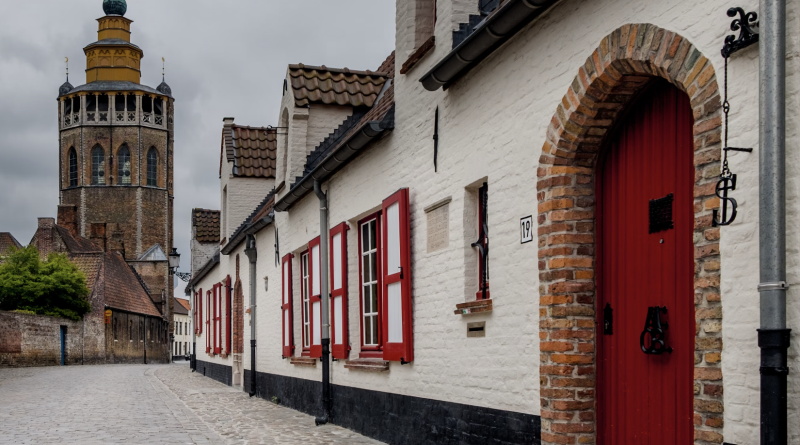
Belgium: Authorities in the northern Belgian city of Bruges are preparing to impose stricter restrictions on short-term rentals in a bid to combat rising numbers of tourists.
New short-term rental permits for properties in the city centre, a UNESCO World Heritage Site, will no longer be handed out, while new hotel construction will also be banned in the area. City authorities in Bruges believe that the regulations will address surging housing prices in the historic centre and restore a fair balance between residents and tourists.
According to research carried out by the Flemish Tourism Office, 7.3 million tourists visited Bruges in the whole of last year. Taking multi-day visitors into account, 10.1 million visiting days were spent in the historic city centre – equating to an average number of 27,500 per day and accounting for 138 tourists per 100 inhabitants.
Speaking to The Brussels Times, Mayor Dirk De Fauw said: “The people of Bruges have always been fairly positive about tourism but post-Covid we have seen attitudes turn. People have started indicating that there are just too many visitors.
“If we just let everyone do what they want, things will quickly go wrong. We cannot and do not want to control access to the city, like Dubrovnik or Venice. We want to keep Bruges a city with activities beyond tourism,” he added.
Bart-Jan Leyts, founder and CEO of Belgium-based online travel agency [OTA] ranking management platform Otamiser, said: “Since 2020, Bruges has implemented increasingly stringent regulations on short-term rentals, affecting both the historic city centre and some of its surrounding neighbourhoods. These measures reflect the growing concerns among locals about the impacts of over-tourism, as the number of visitors to Bruges continues to set new records each year.
“It’s only natural that residents want to see proactive steps taken to preserve the unique character of their city and ensure it remains a liveable environment for all.
“As someone who grew up in Bruges, I understand and share these concerns. The influx of tourists brings economic benefits, but it also places tremendous pressure on the city’s infrastructure and community. However, it’s important to look at the bigger picture.
“Bruges, much like Venice, is a city closely tied to its harbour, attracting a large number of day-trippers. These short visits contribute significantly to the phenomenon of over-tourism, yet they are not directly connected to the availability of short-term rentals.
“While short-term rental regulations are a part of the solution, they should not be viewed as the sole factor in addressing over-tourism. A comprehensive approach is needed, one that balances the needs of residents with the realities of a city that will inevitably attract visitors from around the world.
“By managing tourism in a sustainable way, Bruges can protect its heritage while remaining a vibrant, welcoming destination,” he added.
It is not the first time that the city of Bruges has introduced tourism restrictions, however. In 2019, the port of Zeebrugge, some 15 miles away from the city centre, reduced the capacity of boats that could dock in the port at one time from five ships to two, while encouraging them to dock on weekdays rather than on the busier weekends.
Organised kayaking trips and boats for city canal tours are affected by the same restrictions.
Earlier this year in Brussels, the regional government announced that it would also increase the tax on tourist accommodation, in order to compensate for revenue lost during the Covid-19 pandemic and to cater for significant increases in energy costs and inflation. The tourist tax for hotels in Brussels now stands at €5, while the tax for “domestic” accommodations such as bed and breakfasts and short-term rentals rose to €4 [both increasing by €1], and the tax for campsites was frozen at €3.
In banning new short-term rental permits in its historic centre, Bruges follows in the footsteps of other European cities to implement similar restrictions, including Madrid, Seville and Lisbon.