
 :
:
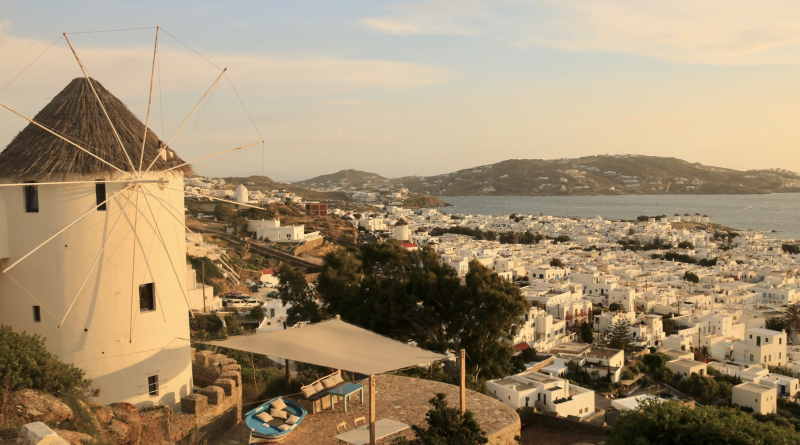
Greece: The Greek parliament has approved a bill that will increase a daily tax on short-term rentals and hotels in the country, as well as charge a levy for cruise ship visitors, in a bid to reduce over-tourism and address the impact of natural disasters on its economy.
Due to come into effect in 2025, the bill will increase the daily tax for short-term rentals from €1.50 to €8 during the peak summer tourism season [April to October], while the tax will also rise from €0.50 to €2 over the winter period.
For hotels, the daily tax is set to soar by up to €15 during the peak summer months, although this will be dependent on the star rating of the properties.
Meanwhile, a €20 levy will be imposed on cruise ship visitors to popular island destinations Santorini and Mykonos, while a €5 levy will be put in place for other destinations across Greece accessible by cruise ships.
Speaking to Reuters, a senior finance ministry official source said that the measures would help the government to collect an estimated €400 million each year – “almost double the amount we got last year”.
Extreme weather events and disasters, such as floods, droughts and wild fires have become increasingly common in Greece in recent years and have been cited as reasons for introducing the aforementioned measures. Tourism remains the main driver for the struggling Greek economy, generating around 20 per cent of the country’s GDP.
In September, Greek Prime Minister Kyriakos Mitsotakis announced measures aimed at addressing the impact of over-tourism in certain areas of the country. It came after Greece received a record 36.1 million visitors in 2023, while arrivals rose 16 per cent to 11.6 million in the first half of 2024.
The government’s new strategy includes a temporary freeze on new short-term rental permits in neighbourhoods where STRs exceed five per cent of the total housing stock. The move marks a shift away from previously proposed caps on rental days, such as the 90-day limit, which has been scrapped.
The new plan will involve restrictions that are tailored to specific neighbourhoods, and aims to balance the presence of short-term rentals with long-term leasing options.
The government is also considering measures to incentivise long-term rentals including tax exemptions for property owners who transition from short-term to long-term leases. Homeowners who make their properties available for long-term rental for at least three years could receive a three-year exemption from income tax, provided their properties were either vacant throughout 2024 or previously listed for short-term rentals.
Greece will also expand its Golden Visa programme to investors who are willing to put at least €250,000 into local startups. Foreigners were previously required to buy property to acquire the visa.