
 :
:
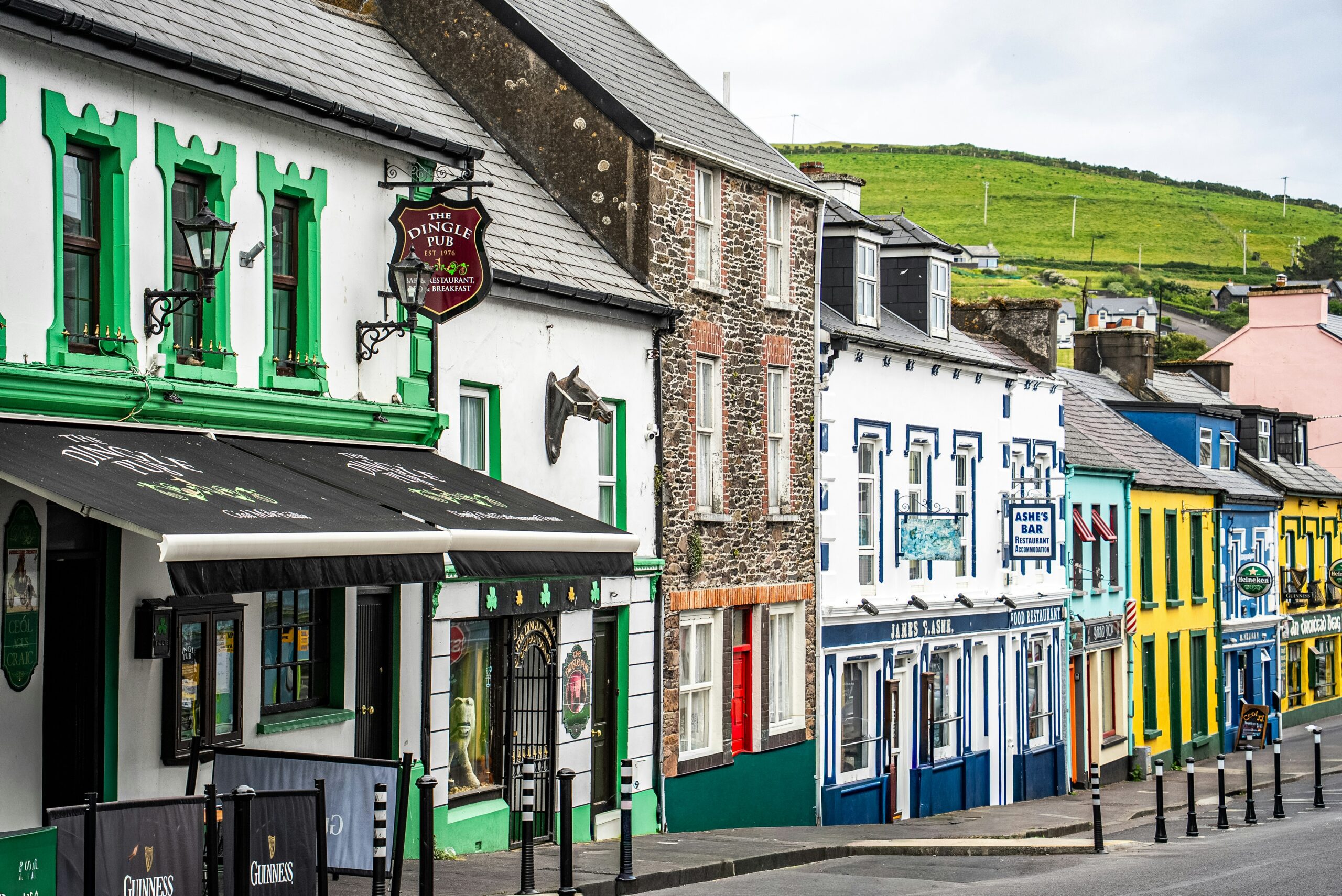
Ireland: Minister for Tourism Peter Burke has decided to increase the limit for regulations on short-term rentals from municipalities with populations of 10,000 or more to 20,000.
Prior to this change, more than 60 towns and cities would have been affected; now the number is 39. Additionally, more than 50 per cent of STRs in the country are concentrated in Ireland’s five cities.
Burke said the reason for the change in legislation was to accommodate smaller towns with high tourism demands. He said that Ireland’s housing crisis is mainly relegated to municipalities of over 20,000, meaning STRs in smaller places are less likely to impact residents looking for permanent housing.
Ministers Michael Healy-Rae and Norma Foley opposed the 20,000 cap, with Healy-Rae expressing the view that the legislation would have “devastating consequences” for rural communities, tourism and jobs.
Ultimately, the government thought the original cap too restrictive and found the current version of the law a balanced proposition.
“If you look where the acuteness of the housing crisis is, it’s generally in places with [a population above] 20,000,” Burke said.
“I believe that metric should capture all those and ensure that we are getting a good return to the long-term rental market, for more stability. And I believe that does strike a balance. It’s the smaller areas you just have to be careful of.”
The legislation is expected to be introduced in the coming months.
Highlights:
- Ireland’s government has revised proposed short-term rental regulations, raising the population threshold for affected municipalities from 10,000 to 20,000 residents
- The new cap reduces covered towns and cities from over 60 to 39.
- Tourism Minister Peter Burke cited that Ireland’s housing crisis is concentrated in areas with populations above 20,000, and that applying restrictions to smaller towns with high tourism demand could harm local economies without addressing permanent housing shortages.
- More than 50 per cent of Ireland’s short-term rentals are located within the country’s five largest cities, which remain subject to the regulations under the revised threshold.
- The adjustment follows opposition from ministers representing rural constituencies who argued the original cap would have had “devastating consequences” for tourism-dependent communities and jobs.