
 :
:
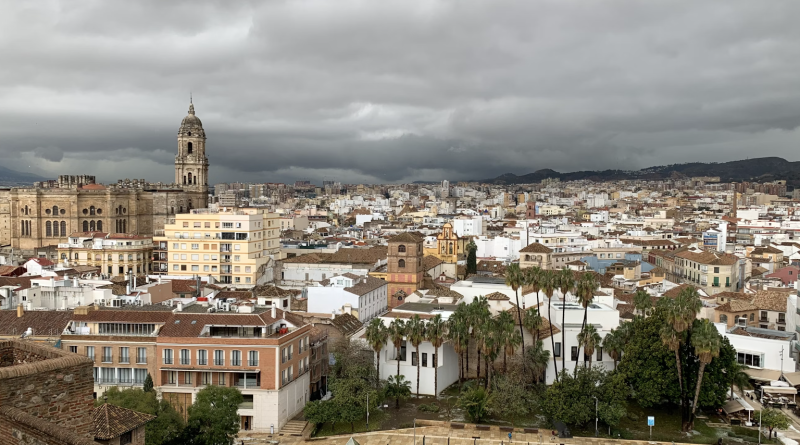
Spain: Fresh restrictions are set to come into effect in Malaga at the start of December which will prevent the registration of new holiday rentals in saturated areas of the city.
The proposal is being put forward for approval at the monthly meeting of the city’s urban planning commission and council today [Thursday 21 November]. If approved, there will be a precautionary suspension of new holiday rentals in areas of Malaga where they represent or exceed eight per cent of the residential stock.
A recent study led by municipal planners had already identified 43 areas in the city which could be classified as “saturated” for the proportion of holiday rentals within the overall housing stock. However, new holiday rentals could still be banned in a further 32 areas which are said to be “at risk of saturation” i.e. holiday rentals already equal or exceed 4.53 per cent of overall housing stock.
The areas deemed to be “saturated” are the historic quarter El Ejido, La Merced, Lagunillas, Capuchinos, El Molinillo, the Ensanche Centro, La Goleta, San Felipe Neri, La Trinidad, Conde Ureña, Cristo de la Epidemia, La Victoria, Ventaja Alta, Campos Elíseos, Cañada de los Ingleses, La Malagueta, Perchel Norte, Plaza de Toros Vieja, El Candado, El Chanquete, the beaches at El Palo, Camino del Colmenar, Peinado Grande, Santa Paula-Miramar, Baños del Carmen, La Viña, Las Acacias, Pedregalejo beach, Torre de San Telmo, Pinares de San Antón, Martiricos, Málaga 2000, Torre del Río, Torres de la Serna, Pacífico, Santa Isabel, Tabacalera, Guadalmar, La Cizaña and the outlying areas of Puerto de la Torre, according to Diario Sur.
Counter arguments presented by municipal groups PSOE [The Spanish Socialist Workers’ Party] and Con Málaga have also been rejected by Malaga’s Urbanismo planning department, which would have potentially enforced even more severe measures. The PSOE had proposed a moratorium to ban all new holiday rentals and eliminate any not meeting the necessary regulations within 12 months of the measures coming into force.
As well as holiday rentals, Malaga City Council is due to carry out a study into whether or not it should also regulate other forms of tourist accommodation, such as apartment complexes and hotels, that impact on citizens’ access to housing and the living conditions in the city.
Last month, Spain’s central government issued a royal decree that will establish a single national register for short-term rental properties. The law, which is due to come into effect on 2 January 2025, will make it obligatory for short-term rental properties to register with one central digital service and obtain a code for them to list on any platform such as Airbnb, Vrbo or Booking.com.
The decree has been introduced as the government seeks to confront illegal renting and the ‘over-tourism’ phenomenon which has sparked widespread protests from citizens across the country who are concerned about available housing supply and the cost of living crisis.
Landlords will be obliged to obtain their registration number [to be renewed on an annual basis], submit the required information and provide online booking platforms with their code in order to list on them successfully. The platforms themselves must ensure that the landlords identify their properties with their own unique code and display them visibly on any listing.