
 :
:
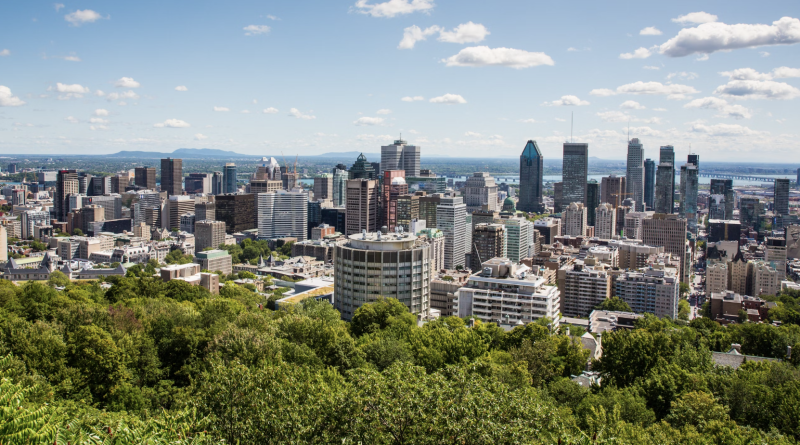
Canada: The city of Montreal is tightening its short-term rental regulatory policies by announcing a partial ban on the sector during non-summer months [October – May].
As confirmed by Montreal mayor Valérie Plante, the incoming restrictions are set to come into effect on 10 June this year.
Under the new rules, short-term rentals of primary residences will still be permitted between 10 June and 10 September [92 days], but stricter measures will be enforced during the other nine months of the year. In a bid to crack down on illegal rentals, hosts, property owners and managers will be required to obtain valid permits to operate under the less stringent restrictions during the peak summer months.
For the period outside those 92 days over the summer months, short-term rentals will still be allowed exclusively in properly registered units within zones permitted by the city.
The city estimates that more than half of the 4,000 units in Montreal currently listed on short-term rental booking platforms are not complying with the existing regulations.
In a statement, Plante said: “We really want to support Montrealers who are tenants, especially because 65 per cent of Montrealers are tenants.
“By limiting short-term rentals throughout the territory to a single permitted period, we will facilitate the work of our inspectors who will no longer have to put together imposing files to show breaches of municipal bylaws,” she added.
Plante suggested that the current model “does not apply to our Montreal reality”, and that both the Quebec province’s Tourist Accommodation Act and Montreal’s own bylaws had so far failed to address the issue of illegal rentals.
From now on, those hosts and property owners who fail to comply with the regulations will face higher potential fines of up to $1,000 per night for individuals and $2,000 for businesses. The number of inspectors in Montreal will also rise from three to seven.
The measures are being brought in principally to ease the city’s growing housing crisis, with up to 2,000 units set to be freed up to boost the long-term rental market.
The move has been backed by housing rights group Front d’action populaire en réaménagement urbain [FRAPRU], as well as France-Élaine Duranceau, the housing minister for Quebec. The Quebec administration previously brought in new short-term rental legislation two years ago after a fire in an Old Montreal building housing illegal rentals left seven people dead.
Airbnb, however, voiced its opposition to the strengthened regulations, stating that they would “weaken the economy, harm local businesses, drive hotel prices up and punish responsible hosts”.