
 :
:
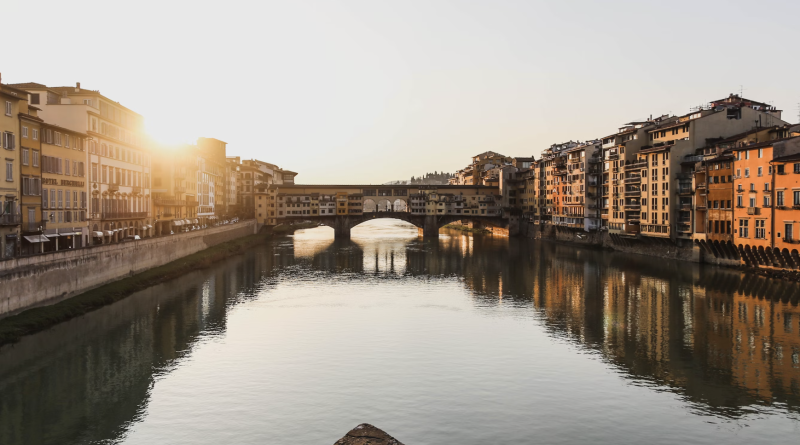
Italy: The Court of Florence [Il Tribunale di Firenze] has ruled that the city cannot prohibit property owners from renting out their unit or apartment in two flats near the railway station, rejecting arguments put forward by local residents.
The case concerned a building in Via Canour, close to the railway station and the famous Piazza San Marco, where residents had opposed a property management company using two apartments as short-term rentals that were to be listed on online booking platforms. Despite complaints from residents in the flats that the company was violating condominium rules, that it would cause disruption to their lives through the comings and goings of strangers and that it would have a negative impact on the value of their properties, the court judge ruled in favour of the operator, stating that the rental itself does not constitute a nuisance to the residents.
According to the judge, any rules to ban the flats from being rented out as short-term rentals would only have applied if all property managers had unanimously agreed.
The court said: “A ban on conducting certain activities in an apartment, such as room rental, self-catering apartments etc, constitutes a limitation of the right of fruition, enshrined in private property ownership.”
It is believed that the apartments were at times being rented out for more than €300 [£252] a night, however the judge compared the activity to hotels in their offering of temporary lodging.
Florence currently has the highest density of Airbnb or short-term rental listings in Italy, leading city legislators to try and rein in the practice.
In July, the Regional Administrative Court of Tuscany [TAR] overturned a ban on registering short-term rentals for tourists in the historic UNESCO centre of Florence. It came after the Municipality of Florence imposed a ban on the registration of new short-term rentals in the centre last year and inserted it as a variant to the Florentine urban planning regulations.
However, under the recent ruling 858/2024, the TAR ruled that the ban had expired and appeals against the decision would be “inadmissible” while a new operational plan is waiting to be approved in the Tuscan city.
A bylaw was passed in October that would grant short-term rental owners and landlords a three-year tax break from second home municipal taxes if they switched to longer-term residential rentals, as a way of encouraging a reduction in short-term rentals. Existing short-term rental hosts and property owners would not have been affected as the bylaw would have been retroactive.
The urban planning resolution was supported by former Mayor Dario Nardella and the Democratic Party [PD], but it also gained opposition from the centre-right and centrist political parties. Together, short-term rental advocacy groups and organisations including Codacons, Confedilizia, Apartments Florence and Property Managers Italia, along with 30 other representatives, joined together to appeal to the TAR against the “anti-democratic move of the Municipality of Florence” and the bylaw was overturned two months ago.
As Mayor of Florence, Nardella had said that the number of properties listed on Airbnb in the city’s historic centre, which is also a designated UNESCO World Heritage site, had more than doubled to over 14,000 since 2016, while average monthly residential rents in the same area had shot up by 42 per cent over that period.
In June 2023, it was estimated that over 70 per cent of the 11,000 short-term rentals in Florence were listed within the World Heritage Site, which the council said had led to a reduction of housing stock and a subsequent “emptying out of historical centres”.
The UNESCO World Heritage site in the historic centre of Florence already covers the Santa Maria del Fiore [a thirteenth-century cathedral], the Uffizi Gallery and the Palazzo Pitti.
On a national scale, the Italian government has sought to implement legislation that would restrict short-term rental operations across the country, but authorities in a number of cities with historic sites, such as Florence, Milan and Bologna, have grown increasingly agitated over perceived inaction on the matter.