
 :
:
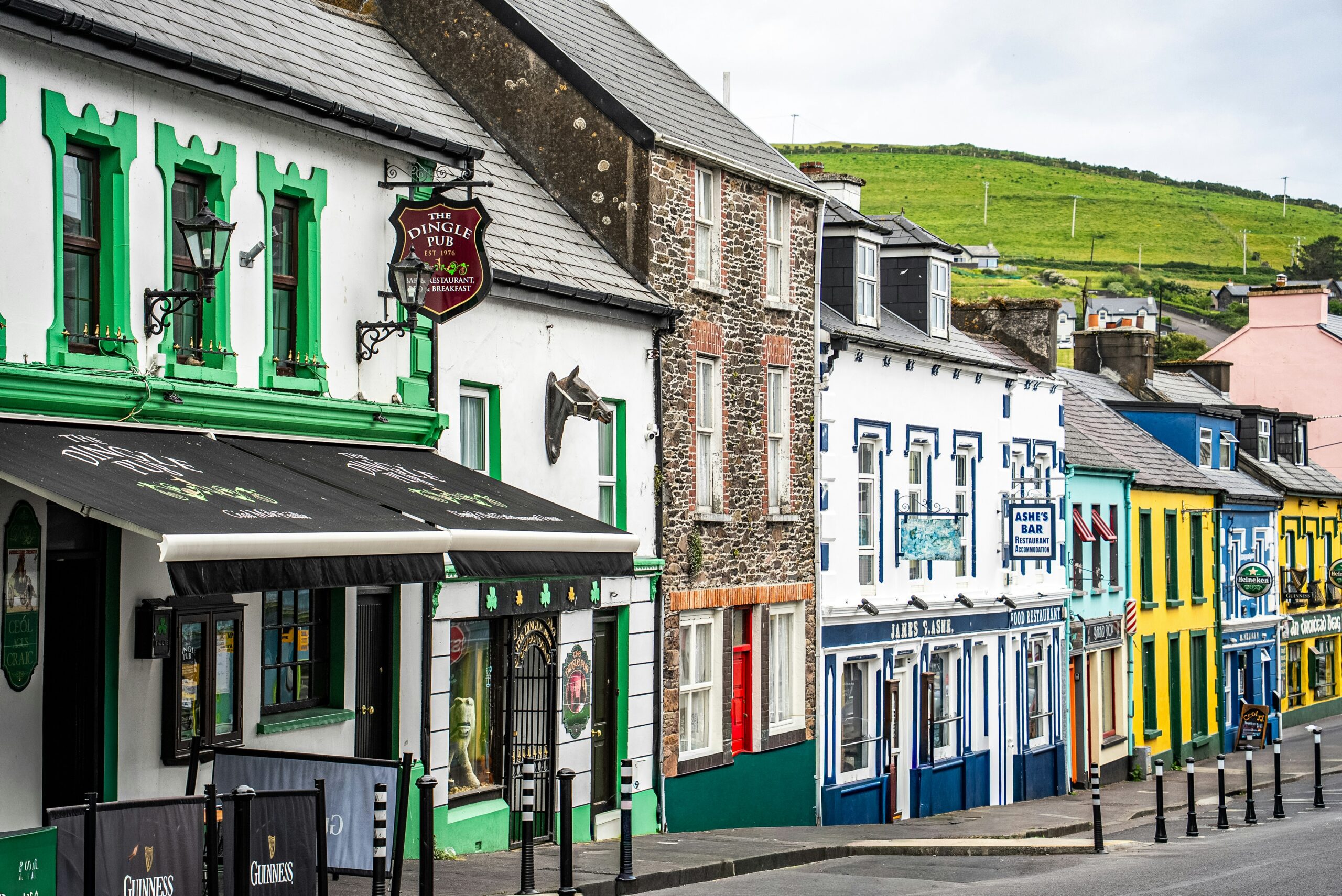
Ireland: The Irish government is proposing new planning rules that would prevent newly built one-off rural homes from being used as short-term rentals for at least 10 years after construction.
The measures form part of updated planning guidelines for rural and Gaeltacht housing, which Housing Minister James Browne and Minister of State for Planning John Cummins are due to present to Cabinet.
Under the proposals, planning permission for new one-off rural homes will include a condition requiring the property to be used as the owner’s permanent primary residence for a minimum of 10 years. During that period, the homes cannot be used as short-term holiday rentals through platforms such as Airbnb.
The government said the revised planning framework is intended to make it easier for people with genuine social or economic ties to rural communities to build homes, while ensuring new housing stock remains available for permanent residential use.
Applicants seeking permission under the new guidance will continue to be required to demonstrate either a social or economic need to live in rural areas. Remote working alone will not qualify as an economic need.
The proposals form part of a broader package of planning reforms aimed at supporting rural communities while addressing housing supply pressures.
Ireland has introduced a number of measures affecting the short-term rental sector in recent years, including registration requirements for short-term lets in designated rent pressure zones under the EU Short-Term Rental Regulation. The latest proposals extend that approach by restricting the future use of newly built rural homes as holiday accommodation.
Highlights
- Ireland plans to ban newly built rural homes from operating as short-term rentals for 10 years
- The restriction would be attached as a condition of planning permission
- The measures form part of updated planning guidance for rural and Gaeltacht housing
- The government said the changes are designed to protect housing supply while easing rural planning rules
- The proposals follow wider efforts to regulate Ireland’s short-term rental sector